How AI could kill your marketing efforts
In the wrong hands AI just provide the ability to optimise the wrong thing to death. Sometimes more data is not the answer.
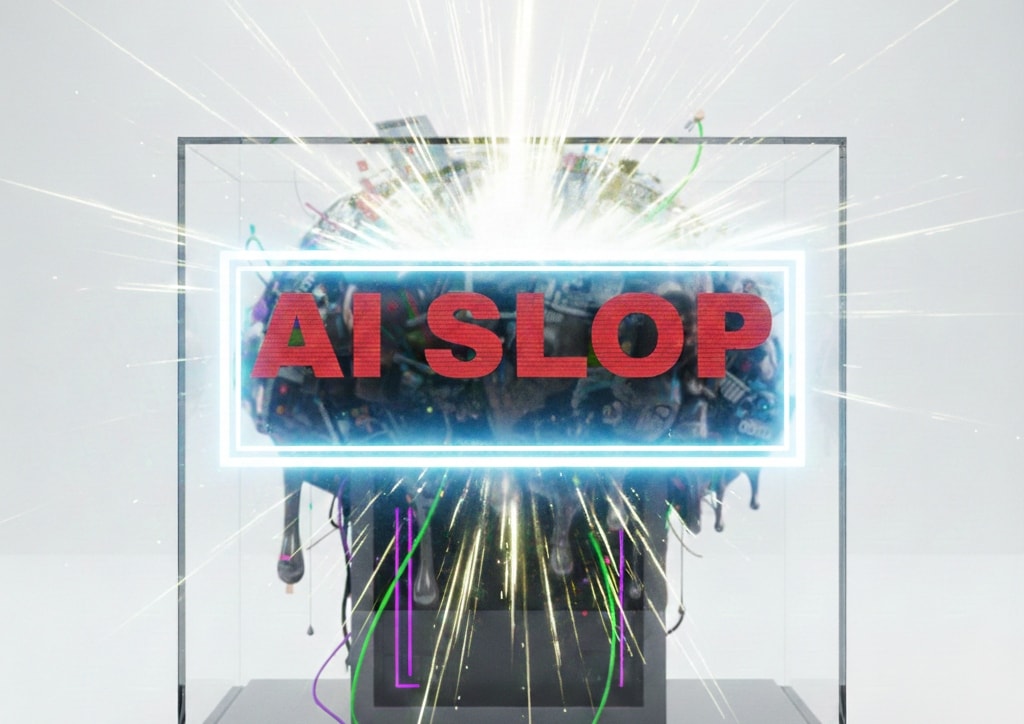
I should preface everything I am about to say with the following: I am not against AI. Used in the right way, AI is an incredibly powerful tool for marketing teams.
It’s just that used in the wrong way, it is somewhere between useless and actively dangerous.
Let’s start with useless.
The great product innovations in history, the great sales pitches in history, the great marketing campaigns in history: they all rely at their heart on creativity. They rely on that unique human insight that (for the time being at least) AI does an absolutely terrible job at emulating.
We should all know this. One of the foundational insights of product marketing is Henry Ford’s line* about the wisdom of listening to the consumer:
“If I had asked people what they wanted, I would have built a faster horse”
The limitations of asking people what they want don’t go away just because you can do it at massive scale. You just get more of the same junk. As Super Hans says “people like Coldplay and voted for the Nazis. You can’t trust people.”
I am also going to remain healthily sceptical about how effective intuiting what people want from their behaviour really is. Yes, I know that a large amount of modern marketing is based on this principle, and I am certainly not arguing for putting it all in the bin. But most of what we use today is relatively straightforward intent and purchase data, and even that isn’t exactly shooting the lights out.
Do I think ultra-sophisticated AI that tracks my every move is ever going to really know what I want? Do I believe that people buy what they want anyway, or what they can be sold? In deeper waters like these I really doubt more and more data is the secret.
In other words, AI is a long way from both:
Understanding at a deep level what sort of product or service the market, or any given individual, wants or needs, and
Communicating effectively and creatively with your target audience, in a way that truly resonates and spurs action
For this job it is useless. Let’s move on to dangerous.
“Optimising the wrong thing to death”
So much time and effort in marketing is spent optimising the wrong thing to death. AI is only going to encourage this habit.
One reason for that is simple. Human beings (and despite much evidence to the contrary marketers do fall into this category) are pretty terrible at understanding that just because they can do something, doesn’t mean they should do something.
It really doesn’t matter if you generate 1,000 blog posts, for example, if that content is generic, obviously ‘fake’, and damaging to your credibility and authority.
It doesn’t matter if you test 1,000 AI-generated headlines in order to find the one that is most likely to make people click through from social media or paid advertising - if that generic content is still what they get on the other side.
It doesn’t even matter if your AI agents are optimising and personalising ad campaigns on the fly, if those ad campaigns aren’t rooted in something that is going to deliver genuine cut-through in a noisy, noisy world.
In short, if you aren’t operating off the genuine insight discussed in part one of this short piece, then you are just using some clever technology to produce and optimise lots of junk that is missing the mark.
Worse, you feel very clever and you are convinced you are doing the right thing - which is always a danger sign.
Let’s end on a positive note, and a reminder that - just as I said at the top of this piece - AI can be incredibly powerful for marketing teams. To keep it that way, I would remember these two simple things:
Humans do the thinking: Fundamental business strategy and creative direction require the sort of human judgement AI is struggling to deliver
AI does the doing: It has plenty of applications when it comes to velocity, data analysis, and execution. It puts that thinking into action.
Keep that in mind and you can’t go too far wrong.
*Depending on which side of the Atlantic you live, you may have heard this credited to Andre Citroen. Of course the chances are that neither of them said it, but it’s still true.
