
AI advertising: what it means (for everybody)
What impact will advertising have on AI? And how should marketers react to the changing landscape?
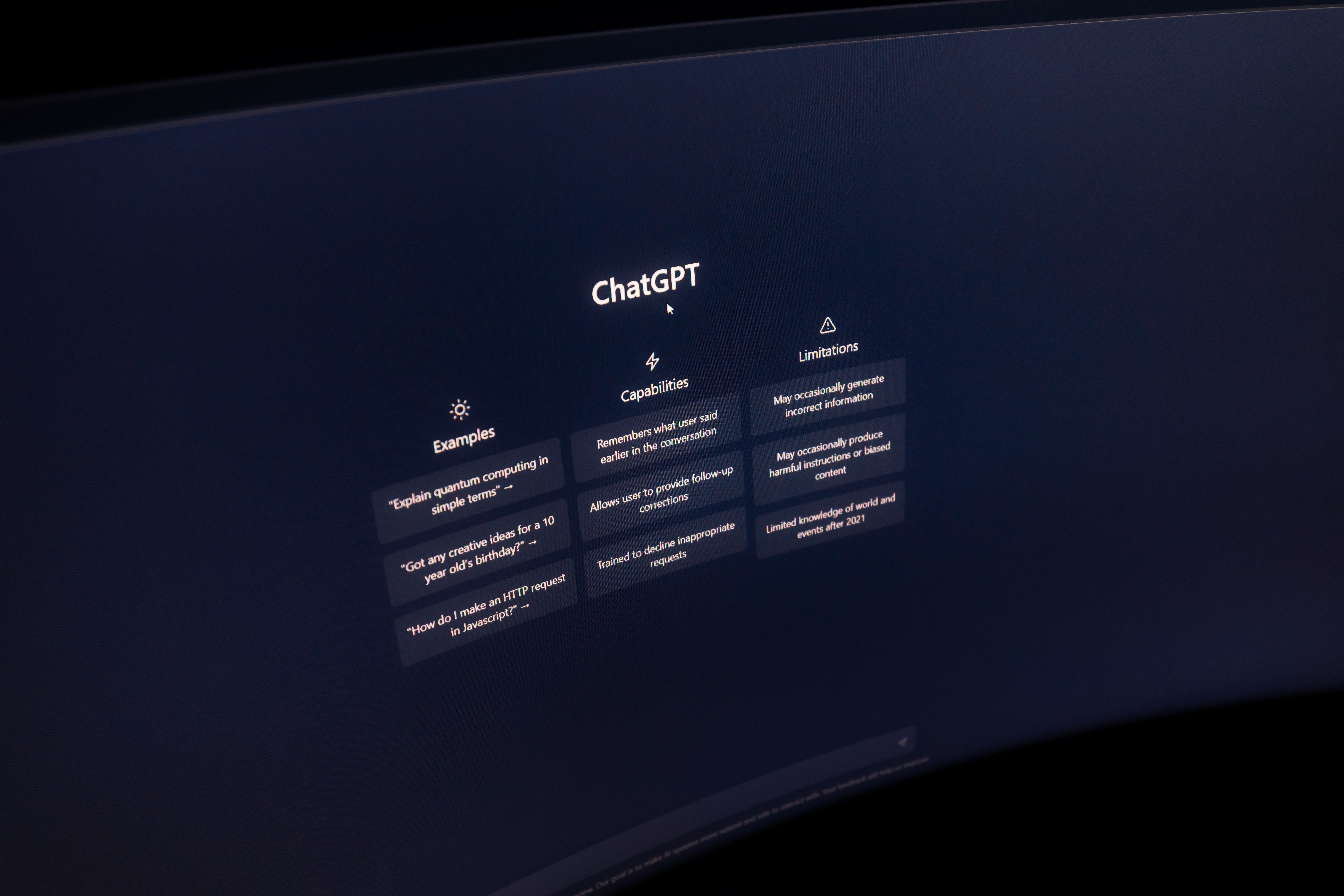
It was fascinating to read this piece in State of Brand (via TLDR Marketing) on a supposed halo effect delivered by advertising on Chat GPT. The really quick version:
Buying ads on Chat GPT seems to increase organic traffic from the same source
Likely as not this is down to lack of tagging and thus paid traffic appearing as organic (if the advertiser does not supply UTM parameters, a tag
utm_source=chatgpt.comis added by default, the same tag used for organic traffic)Marketers, suspicious bunch that we are, can’t help thinking that paying for ads helps the brand turn up in the organic answers
I would be pretty confident that the last bullet isn’t true, to be clear. But it does speak to a wider problem that I have talked about before. One of the reasons that conversational AI has been so popular, and so enthusiastically adopted, is the total lack of enshittification.
Until now.
In the early, land-grab days of AI (which we are still living in), user experience is everything. The objective is to build the audience. And it turns out that people absolutely love a product that just answers their questions without crowbarring in all sorts of sponsored messages and content that mostly serve as distractions. Or in other words, what Google used to be like.
But AI companies, particularly those with astronomical valuations, are going to have to make money somehow. And having successfully established themselves as the new first port of call for consumers with intent, you can be absolutely sure they will make the most of that position. It is, after all, a particularly valuable one: just ask Google or Amazon.
As advertising inevitably becomes a feature of conversational AI platforms, scepticism, both among marketers and consumers, will only increase. I do wonder how much that matters. It doesn’t seem to have hurt (much) other seller/consumer conduits that make no bones about hosting ads or indeed accepting sponsored content.
On the other hand, once the perception of absolute neutrality is gone, it is gone for good. And that must have some impact. It probably doesn’t help that the very nature of LLMs means that advertisers CAN influence ‘organic’ responses simply by spending big across multiple channels, including channels like ChatGPT itself. To be absolutely clear, this is not nefarious in any way. It is no different to how a halo effect has always worked: if you spend enough money, your product becomes part of more conversations. But how that pans out in AI, and how perception of it pans out, is most definitely up for grabs.
So what does this all mean for marketers?
My core opinion hasn’t changed. For organic inbound purposes, if you want to show up in AI results, or be referenced by AI, do three things:
Be a successful business
Give people every opportunity to talk about you online, and encourage them to do so
Create meaningful content that helps people learn
Fortunately, those are pretty much the same recommendations that applied to SEO. None of this, btw, is a suggestion to ignore AI. All of the three activities above can be done thoughtfully and in a way that maximises their impact. That is a matter of understanding what questions consumers are likely to ask and working to a plan rather than simply writing at random.
I would repeat the advice I consistently give to any business looking to build out a content strategy:
Ask yourself what beliefs a person needs to have before buying your product or service. List them.
Create content that generates those beliefs, working through your list so that every base is covered.
Ensure content is created for humans, but can be discovered and understood by machines.
From a paid marketing perspective, things are different. As with any other channel, AI is an auction, and like any auction we will get to the ‘correct’ price soon enough. In the past it has been true that the name of the game is getting in early, before the full potential of the platform has been established. That was certainly true for LinkedIn, for example.
With AI, such is the hype I am not so sure this still applies. I think there are enough mugs out there who see advertising on AI as an achievement in itself (“look how clever and advanced we are”) that I would advise sitting back and seeing how they get on in the short term.
Either way, and again as with any auction, if you aren’t implementing best practice in terms of targeting, creative, landing pages and follow up, you will always be fighting a losing battle. This has always been true of digital marketing channels. If you are paying money for attention that you struggle to convert, you will always find it difficult to establish ROI when bidding against competitors with optimised funnels.
More on that particular topic next week.
